Exotic Hardwood Species Deliver Distinctive Character Domestic Woods Cannot Match
Rare Grain Patterns and Natural Hardness Make Exotic Floors a Long-Term Investment
Exotic hardwood floor species are flooring materials sourced from tropical or non-North-American forests. They are prized for distinctive grain patterns, intense colour variation, and exceptional hardness ratings that most domestic species cannot match. Brazilian Cherry, Tigerwood, and Cumaru are among the most popular options for homeowners seeking a floor that makes a lasting visual statement.
The visual character of exotic species sets them apart at a glance. Brazilian Cherry runs from deep cinnamon to near-burgundy, with a smooth, consistent grain that deepens with age. Tigerwood earns its name from bold amber and dark-brown streaks running across an interlocked grain — a chatoyance effect that shifts as light moves across the floor. Cumaru brings golden-brown tones with a fine, tight grain that reads as refined without being flashy. These floors do not serve as a neutral background. They are a design statement built into the structure of the house itself.
Hardness is the other distinguishing factor. The Janka hardness scale measures how much force a species' surface resists denting — domestic Red Oak scores 1,290 lbf, which is already a solid benchmark for residential use. Brazilian Cherry scores approximately 2,350 lbf. Cumaru comes in around 3,540 lbf. That gap translates directly to a floor that holds up in high-traffic entryways, kitchens, and open living spaces with less visible wear over time.
For a homeowner thinking long term, those qualities add up. A floor that resists denting, holds its finish longer, and carries genuine visual depth is an asset that contributes to perceived home value in a way that builder-grade oak rarely does. The species' qualities are real — but getting the full benefit of them depends heavily on the skill of the person who selects, acclimates, and installs the material. That is where the choice of contractor matters more than it does with standard domestic hardwood.
Mid-State Wood Floors Has the Experience Exotic Species Demand
Twenty-Plus Years Working With Hardwoods Means Fewer Surprises on Your Job
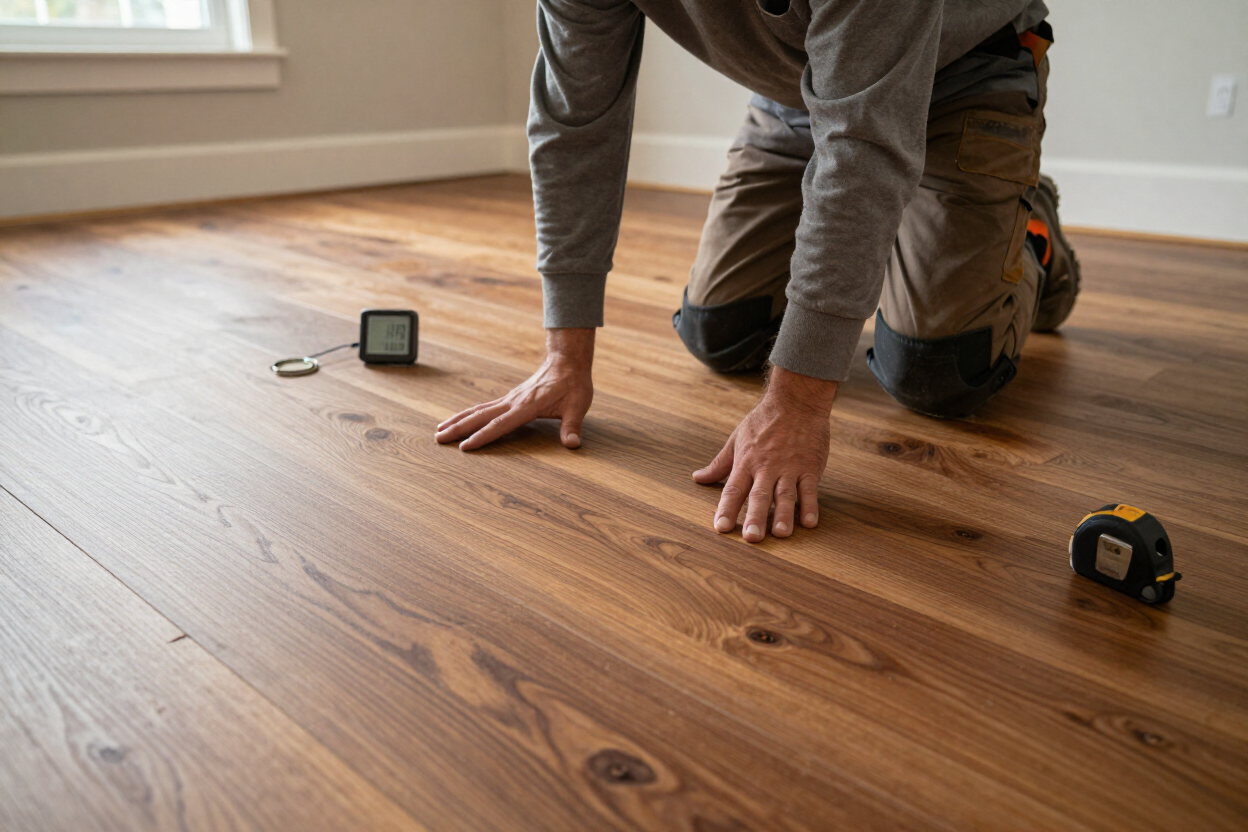
Mid-State Wood Floors has been installing and refinishing exotic hardwood species for homeowners in Brainerd, MN and the surrounding Crow Wing County area for more than 20 years — and Mike Nepsha has been doing this work long enough to know that exotic species require a different level of attention than standard domestic hardwood from the first board to the last coat.
Working with harder species like Ipe or Cumaru is not simply a matter of applying the same process you would use on Red Oak. Tooling dulls faster on denser wood, so sharper blades and slower feed rates on the drum sander are not optional — they are the difference between a floor that looks right and one that shows snipe marks or burn lines. Dimensionally variable species also require closer monitoring during acclimation, because boards that have not fully adjusted to your home's humidity before installation will move after the fact, sometimes enough to cause gapping or cupping. These are not hypothetical concerns. They are the kinds of problems that show up six months after a generalist contractor finishes the job and walks away.
Mid-State Wood Floors offers a military discount — if you or a household member have served, mention it when you call.
Exotic hardwood is not a small investment, and Mike treats it accordingly. If you have questions before you are ready to commit — about species, timing, or what the process looks like — the FAQ below covers a lot of common ground, and a quick call will handle the rest.
Minnesota's Seasonal Climate Demands Specific Care for Exotic Hardwood Floors
Controlling Indoor Humidity Protects Exotic Hardwood Through Minnesota's Freeze-Thaw Cycle
Central Minnesota's climate swings hard between seasons — humid summers where indoor relative humidity can climb above 60% and cold winters where forced-air heating drops that number below 25%. All wood flooring responds to those swings, but many exotic species are sourced from equatorial regions where humidity is consistently high and temperature variation is minimal. That origin matters. A species that evolved in a stable, humid environment can be more sensitive to the wide moisture variance of a Minnesota interior than domestic Red Oak or Hard Maple, which developed in a climate closer to what your home provides.
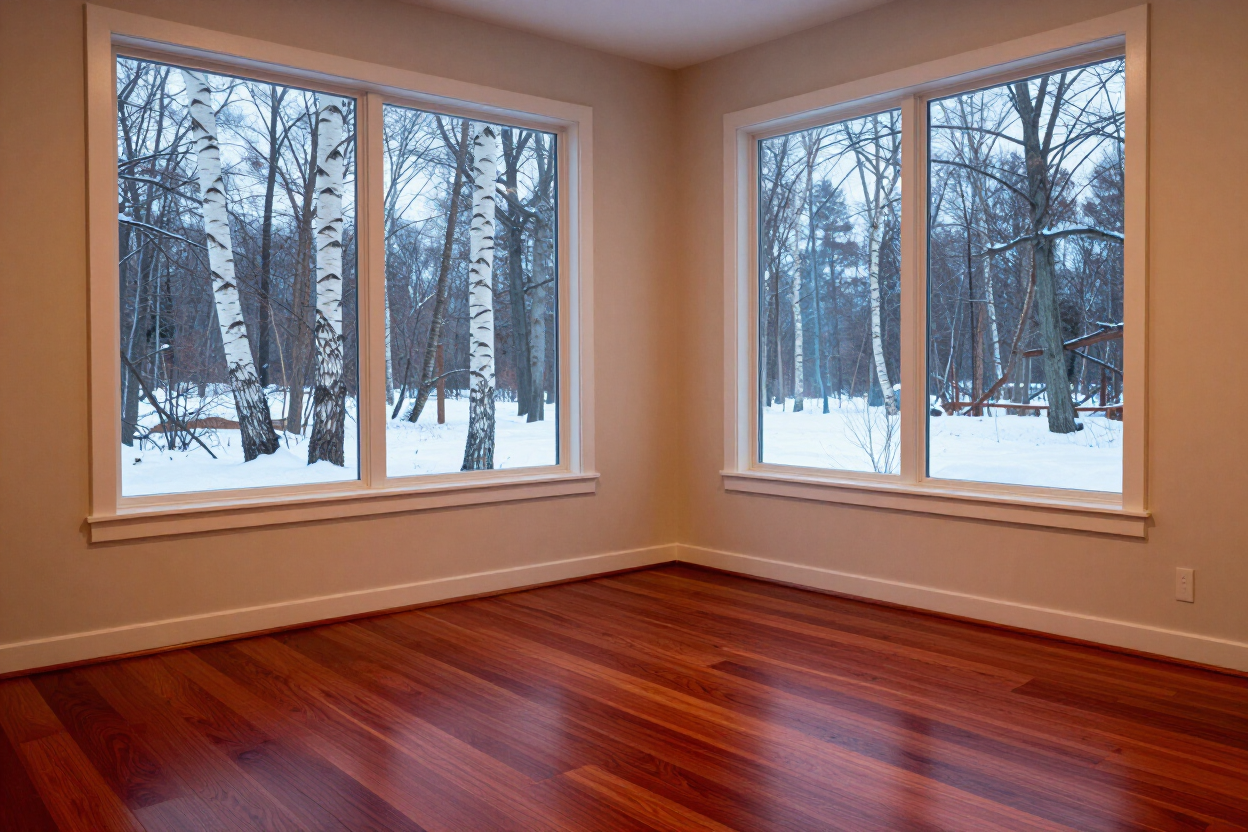
Proper acclimation before installation is the first line of defence. For exotic species in a Minnesota home, that typically means allowing the boards to sit in the installation space — not the garage, not an unheated porch — for a minimum of five to seven days, and longer if the species is particularly dense or if the home's HVAC system is not yet at full operating equilibrium. New construction is a specific risk here: a house that was framed with green lumber and has not yet been through a full heating season may still be releasing moisture into the air. Installing exotic hardwood before that equilibrium is reached is asking for problems.
Finish selection is not purely an aesthetic choice — it is a functional one. Oil-modified polyurethane remains a durable standard for high-traffic areas and provides a moisture barrier that helps dampen seasonal movement. Water-based polyurethane dries faster and emits less odour, but it builds differently and may require more coats to achieve equivalent protection. Hard-wax oils are popular for certain exotic species and allow for spot repairs, but they are not a set-and-forget finish. One additional complication: some exotic species — Ipe and Teak in particular — contain naturally occurring oils that can interfere with finish adhesion. A contractor who has not encountered that before may apply a finish that simply does not bond correctly. Getting the finishing stage right matters as much as the installation itself.
Exotic species' higher density means they typically wear more slowly than domestic hardwood, so you may go longer between full sand-and-refinish cycles. That is a genuine advantage. But it does not mean maintenance disappears entirely. A hardwood floor maintenance coat applied on a regular schedule — every few years depending on traffic — is the most cost-effective way to protect your floor and extend the time before a full refinish is needed. It is far cheaper than waiting until the finish has worn through to bare wood.
Common Questions About Exotic Hardwood Floors in Brainerd
What exotic hardwood species does Mid-State Wood Floors install in Brainerd MN?
Mid-State Wood Floors installs Brazilian Cherry, Tigerwood, Cumaru, Ipe, and Santos Mahogany, among other exotic species, for homeowners in Brainerd and the wider Crow Wing County area. Mike Nepsha can advise on which species suits your space, traffic level, and budget during a consultation.
Will exotic hardwood floors hold up to Minnesota winters?
With proper acclimation before installation, the right finish choice, and consistent indoor humidity management, exotic hardwood species perform well in Minnesota's climate. Many exotic species carry higher Janka hardness ratings than domestic options, helping them handle seasonal movement. A specialist installer sets the floor up correctly from day one.
How much more do exotic hardwood floors cost compared to standard hardwood in Brainerd MN?
Exotic species typically carry a higher material cost than domestic Red Oak or Maple due to sourcing and import factors. Installation cost also reflects the additional skill and tooling these species require. Every project is different, so call Mid-State Wood Floors for a project-specific quote rather than relying on a generic estimate.
How long does it take to install exotic hardwood floors in a Brainerd MN home?
Timeline depends on square footage, the species chosen, subfloor preparation needed, and the acclimation period the wood requires. Most residential projects take several days to a week, though project-to-project variation is real. Mid-State Wood Floors works by appointment, and Mike will walk you through expected scheduling at the consultation stage.
Can existing exotic hardwood floors be refinished rather than replaced?
Most exotic hardwood floors with sufficient board thickness can be sanded and refinished. Species like Brazilian Cherry may require lighter sanding passes due to their hardness. Refinishing is typically more cost-effective than replacement and restores the floor's original colour and lustre without the material and installation expense of starting over.
Start Your Exotic Hardwood Floor Project With Mid-State Wood Floors
Mike Nepsha takes on exotic hardwood projects by appointment and serves Brainerd and the surrounding area Monday through Friday, 7:00 AM to 5:00 PM. Reach out and he will walk you through your options without pressure.
Quality Without Compromise

